


In this article, our Client Adviser, Annette Lee, reflects on the Ikigai petal of Freedom, sharing her recent experiences in Wakayama, Japan. Through her journey, she explores what true freedom means in daily life, the choices that bring a sense of fulfilment, and how these insights inform the way she supports clients in achieving their own Ikigai.
Reflections from Wakayama
On a recent trip to Wakayama, Japan, a friend asked me a simple yet profound question: If money was not a concern at all, what would you do?
This is a question I often pose to my clients, yet one I rarely stop to contemplate for myself.
My answers came naturally:
- Travel to far-flung and rustic places to be inspired by nature
- Spend gentle, unhurried time with family and friends
- Giving back in meaningful ways to society through purposeful work that I do
Through this reflection, one word kept coming to mind, freedom. And the freedom that I envision is multi-faceted.
In Mieko Kamiya’s Ikigai framework, freedom is more than unstructured time or financial capability. It is the gentle sense of agency and knowing that despite the restrictions of the life we are living, we have the ultimate freedom of choice.
Freedom in Knowing What “Enough” Feels Like
Calculating retirement resources that I need is not difficult, and it can feel straightforward on paper. Yet even when the numbers suggest sufficiency, I sometimes find myself wishing for a little extra cushion. Thoughts like “it’s always good to have more buffer” can keep looping in my head, and somehow, ‘enough’ doesn’t always feel like enough.
When I think about freedom in terms of my Ikigai, I realise it can easily feel like a moving target if I’m not careful, which is why I lean into the Philosophy of Sufficiency. It reminds me that when we know what ‘enough’ really feels like, we can focus on what really matters instead of letting worry get in the way.
Freedom to Spend on What Matters
I believe this feeling of inadequacy partly stems from spending guilt. If we don’t have a good handle on how much we are willing to spend, no amount of financial resources would make us feel secure.
I would not think twice about spending on others, but the same cannot be said when it comes to spending on myself (I’m working on it). A wise colleague once pointed out that folks who are reluctant to spend on themselves sometimes need to give themselves permission to do so.
Having a spending plan may be a helpful first step. By setting aside a budget for different categories of expenses, I would know what I can comfortably spend, whether it is for holidays or something as simple as a haircut.
But numbers alone are not enough. To loosen my purse strings, I also need to tug harder at my heartstrings. That means learning to treat myself with the same care and thoughtfulness I would give a loved one. In many ways, this trip to Wakayama became that perfect gift for myself, a small but meaningful act of self-care.
Freedom That Good Health Brings
Wealth without health is like an eagle with a broken wing. I want to have the energy and health to enjoy my retirement years fully, not just the financial means to do so.
Lately, muscle aches, forgetfulness and the occasional “senior moments” have reminded me that age is quietly catching up. So, I am saying goodbye to late nights, fast food and most alcohol. I have also been doing Pilates, brisk walks and enjoying healthier meals. This has become part of my ‘Ikigai journey’ too.
My trip to Wakayama brought this home in a gentle way. Being surrounded by nature and quieter moments reminded me how good it feels to simply have the health that I have now. These small choices I make today are the health credits I hope to cash out in the future.
Freedom to Create and Explore
One of the most memorable moments in Wakayama was dyeing our own furoshiki (Japanese traditional cloth used for wrapping things) with natural plant colours. The process was unhurried and deliberate, a pause from the constant efficiency of daily life. In that calm, I rediscovered a forgotten voice inside me.
Picasso once said, “The purpose of art is washing the dust of daily life off our souls.” While I was dyeing my furoshiki, I listened. I hushed the voice of practicality and listened keenly for possibility. I ditched efficiency for patience and watched in anticipation as an idea unfolded. What emerged was a pattern that resembled a dandelion. A symbol of hope and transformation. How apt!
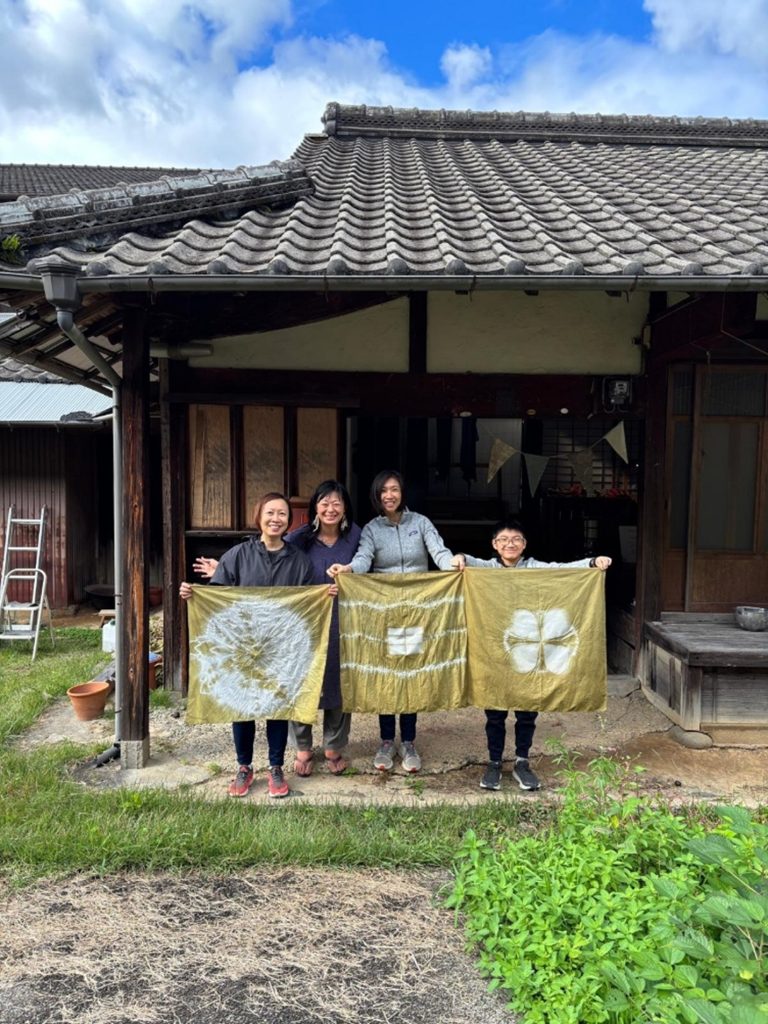
Dyeing Furoshiki with Planet Colours, Wakayama, Japan.
The next day, we hiked through Hyakkenzan-Keikoku Valley, which is a natural forest.
Under the majestic canopy, centuries old, I felt small. Yet, not forgotten. We were greeted by a forest crab, an iridescent earthworm, and a baby river trout. As fleeting as they were, these encounters were a precious reminder of how tightly bound we are in the tapestry of life. As the soothing rumble of waterfalls gently washed away the cacophony of thoughts in my head, I felt light and at peace.
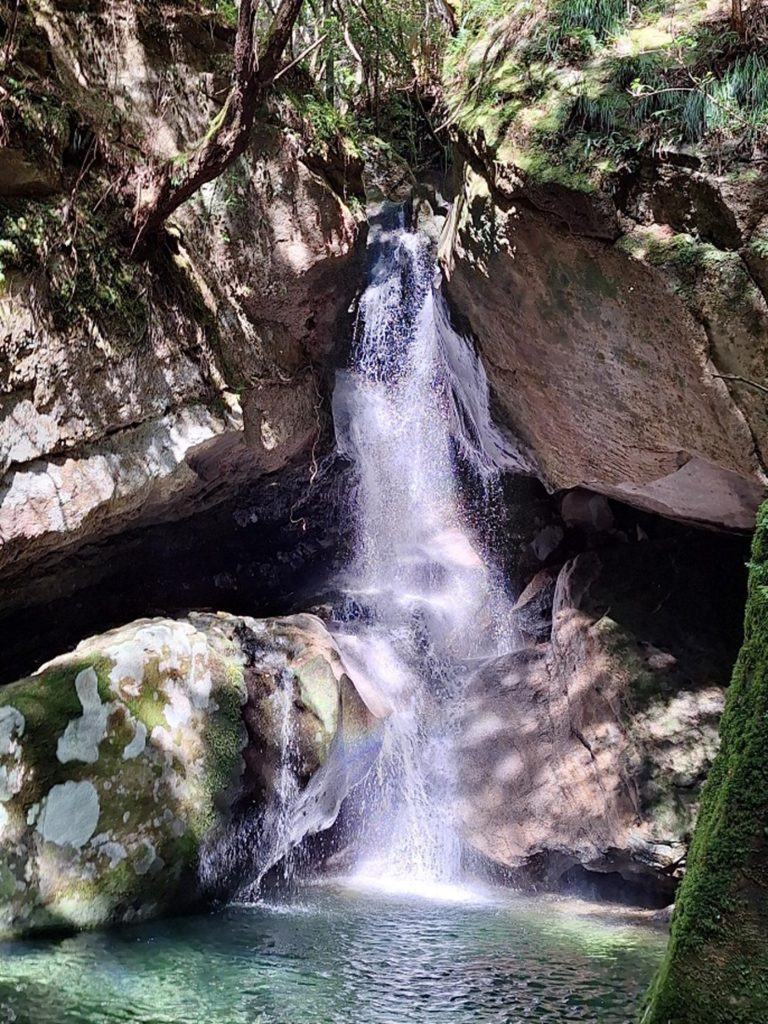
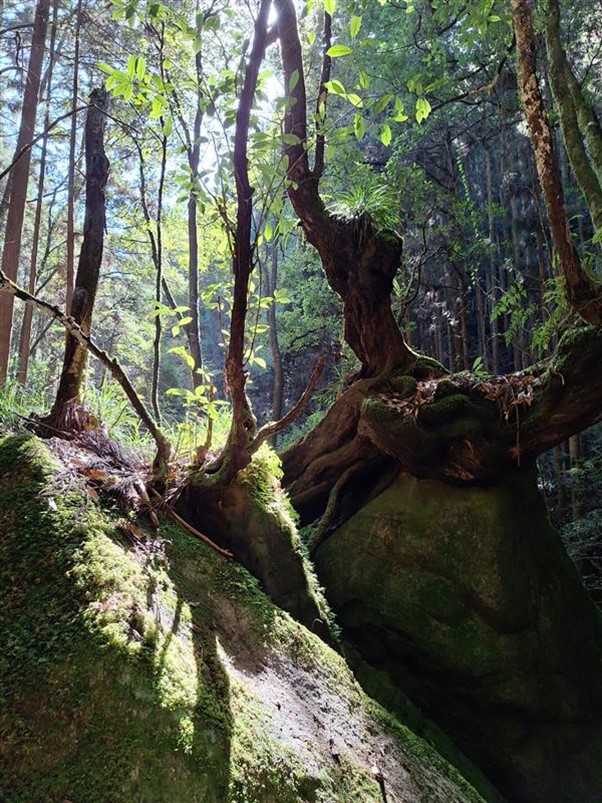
Hyakkenzan-Keikoku Valley, Wakayama, Japan
Looking back on my trip, I realised how much I would like the next chapter of my life to be filled with art explorations and the tranquil companionship of nature. Those simple moments made me feel truly free, and they reminded me of what I value at this stage of life.
This understanding of freedom naturally carries over into the way I walk alongside clients.
How This Freedom Shapes My Work with Clients
Reflecting on Freedom has given me a clearer lens through which to view my work as a Client Adviser at Providend. You might wonder how a personal reflection translates into advisory work, but the link is more apparent than it may first appear.
Many clients carry invisible constraints: spending guilt, fear of making the “wrong” decision, uncertainty about what is truly enough, or the subtle pressure to live up to societal expectations. These internal barriers can shape their financial choices, but more importantly, they can also hold them back from the very things that bring joy and fulfilment.
Advisory, then, becomes more than planning. It is a way to help clients:
- Articulate what genuinely matters to them
- Define what “enough” looks like in their lives
- Grant themselves permission to spend, explore, and dream, according to their own likes and dislikes
- Make choices that honour their values and relationships
Just as Wakayama reminded me to gently reclaim my own sense of freedom, I hope to help clients rediscover theirs. When they experience freedom, financial, emotional and personal, they often find themselves moving closer to their Ikigai, towards a life that feels intentional, meaningful and truly worth living.
This is an original article written by Annette Lee, Client Adviser at Providend, the first fee-only wealth advisory firm in Southeast Asia and a leading wealth advisory firm in Asia.
For more related resources, check out:
1. Finding Your Ikigai For A Life That Is Worth Living
2. Story of Annette Lee: Balancing the Trade-Offs in Life
3. The Part of Ikigai That No One Talks About
To receive first-hand wealth insights from our team of experts, we invite you to subscribe to our weekly newsletter.
Through deep conversations with our advisers, you will gain clarity on what matters most in life and what needs to be done to live a good life, both financially and non-financially. Learn more about our estate & legacy philosophy here.
We do not charge a fee at the first consultation meeting. If you would like an honest second opinion on your current investment portfolio, financial and/or retirement plan, make an appointment with us today.