


I’ve spent most of my life in finance — auditing companies, managing numbers, and advising business owners. But a few years ago, I did something different. I opened a restaurant with my brothers.
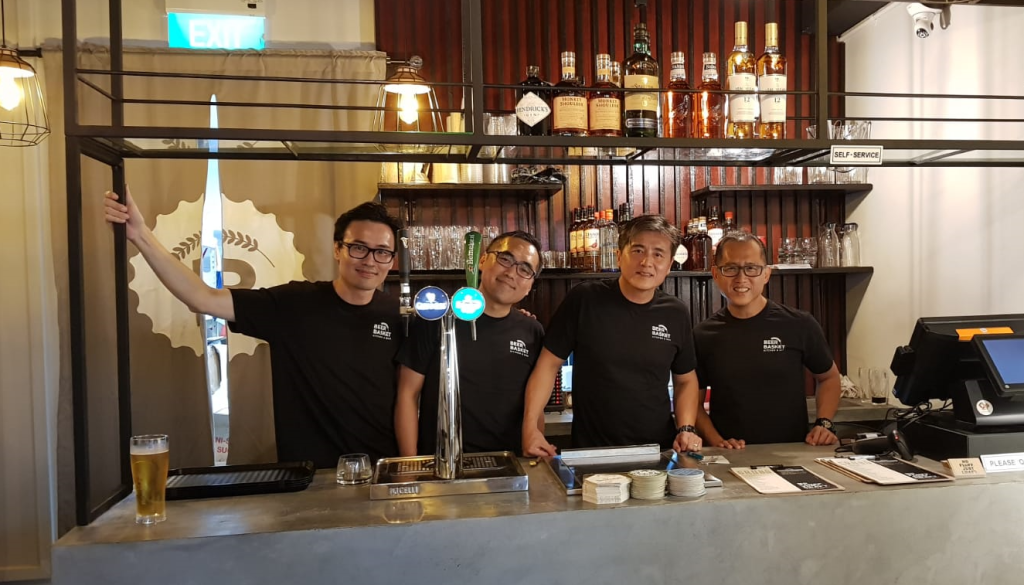
A moment captured with my brothers at our restaurant. I’m standing second from the left.
It wasn’t because I thought F&B was a goldmine. It was because food has always been part of our family story. Our mum ran a humble fried kway teow stall when we were kids. We grew up around sizzling woks and the smell of garlic hitting hot oil.
So, when the right space came up, we thought: Why not? Let’s create a place where people can gather, connect, and feel at home.
The Early Days – Learning by Doing
We were hands-on with everything. Menu tasting, supplier hunting, staff recruitment, and even wiping tables before opening. The hours were long, and the learning curve was steep.
From day one, we agreed on one thing — our relationships as brothers came first. No matter how the business did, we weren’t going to let it break the family. That agreement kept us grounded when challenges came.
And challenges did come. The lunch crowd wasn’t as strong as we’d hoped. A competitor opened just a few doors away. We had to tweak our menu, watch our costs, and figure out what made us different.
The Expansion – and the Reality Check
After a couple of years, we got confident enough to open a second outlet in Katong. We thought the location was perfect. Then COVID happened.
Overnight, dine-in customers vanished. We pivoted to deliveries and bundle meals, and our first outlet hung on because we had loyal regulars. Katong, however, never fully recovered.
By the time restrictions lifted, we saw the outlet wasn’t regaining traction. Rather than keep it open and bleed resources, we chose to sell while it still had value to offer a new owner. It wasn’t easy, but it was the right decision.
The 4Cs That Make a Business Valuable
Over the years, I’ve learned that the most valuable businesses aren’t just profitable — they’re built on strong foundations that make them attractive to buyers and resilient in tough times.
In the Exit Planning Institute’s 4Cs framework, those foundations are:
- Customer Capital – the strength of your customer relationships.
- Structural Capital – the systems and processes that keep things running.
- Human Capital – the skills, loyalty, and commitment of your people.
- Social Capital – the trust, reputation, and goodwill your business has earned.
When I look at our restaurant, I see how each of these played a part in keeping us going — and why they’ll matter if we ever decide to sell.
1. Customer Capital – More Than Just Transactions
For us, customers aren’t just people who order food — they’re part of our story. We’ve made it a point to know their names, remember their favourite dishes, and make them feel welcome the moment they step in.
That connection is what carried us through COVID. Even when they couldn’t dine in, our regulars ordered takeaway, checked in on how we were doing, and told others about us.
My Customer Capital Moment:
One rainy Tuesday, our usual lunch crowd was nowhere to be seen. Then in walked Helen, one of our regulars, carrying two umbrellas and bringing three drenched colleagues. She said, “They’ve been hearing me talk about this place for months — figured it was time they came.” That’s when I realised loyalty isn’t just about repeat visits — it’s about trust.
2. Structural Capital – The Backbone of the Business
A business without structure is like a kitchen without a recipe — you might get by for a while, but it’s risky.
In the early days, we ran on memory and instinct. Over time, we introduced proper systems: a POS that tracks sales and stock, written SOPs for service, and supplier agreements with clear terms.
These structures don’t just make daily operations smoother — they also make the business easier for someone else to take over one day.
My Structural Capital Moment:
One weekend, our chef had to leave suddenly for a family emergency. In the past, that would have thrown us into chaos. But because we had documented recipes and plating guides, our junior cooks stepped up and kept service running without a hitch.
3. Human Capital – The People Who Keep It Alive
The heart of our business isn’t the menu or the décor — it’s our people. We’ve built a team that’s loyal, committed, and willing to go the extra mile when it matters most.
The trust goes both ways. We give them the freedom to make decisions, and they give us their best without being asked. We’ve made sure everyone is cross-trained, so no single absence can disrupt service — it’s part of how we look out for each other.
My Human Capital Moment:
During the year-end festive rush, I was away for a family trip. I didn’t get a single panicked call. The team handled everything — supplier delays, a last-minute booking of 30, and even a broken coffee machine. That’s when I knew we had something special.
4. Social Capital – The Reputation You Can’t Buy
A good reputation doesn’t just attract customers — it makes your business more valuable. Social capital is the goodwill you’ve built with the community, suppliers, and even competitors.
We’ve earned ours by being consistent — showing up for local events, supporting neighbouring businesses, and treating every customer with genuine care.
My Social Capital Moment:
A couple once came in saying they’d been sent by “the aunty at the corner minimart.” She told them, “Go there, they’ll take care of you.” That kind of endorsement can’t be bought — it comes from years of trust and doing right by people.
Why the 4Cs Matter Long Before You Sell
The thing about the 4Cs is, you can’t build them overnight. It takes years of consistent effort.
When you have strong customer relationships, solid systems, a capable team, and a good reputation, your business isn’t just more valuable — it’s easier to run. You sleep better. You’re less dependent on luck.
Even if you’re not planning to sell now, working on the 4Cs means you’ll be ready when the time comes — whether that’s selling to a buyer, passing it to family, or finding a successor from within.
Closing Thoughts – Building on Trust for the Future
When I look back, I realise we didn’t set out to follow a framework. We didn’t even know what the “4Cs” were at the time. But in our own way, we were already building them from day one.
We built Customer Capital every time we remembered a regular’s favourite dish or went the extra mile for them on a rainy day.
We built Structural Capital when we stopped relying on memory and started putting systems in place so anyone on the team could keep things running.
We built Human Capital by trusting our staff, giving them responsibility, and seeing them rise to the challenge.
We built Social Capital through every genuine interaction with our neighbours, suppliers, and community.
Looking back, I realise every C is really about trust — trust from customers, trust in our systems, trust in our people, and trust from the community. When you have that, you have something worth passing on.
The restaurant is still going strong today. One day, someone else will take it over — whether that’s a buyer, a new partner, or someone from the team. When that happens, I want them to inherit more than just a business. I want them to inherit a place with deep roots, strong relationships, and a reputation worth protecting.
That’s the legacy I want to leave — and the 4Cs are how we make sure it lasts.
The writer, Jerome Song, is Associate Director, Business Exit of Providend Ltd, Southeast Asia’s first fee-only comprehensive wealth advisory firm.
For more related resources, check out:
1. Business Exit Plan: 3 Key Considerations
2. Money Wisdom Podcast: Navigating Your Business Exit Plan Successfully
3. Business Exit Planning Case Study: Common Mistakes to Avoid
To receive first-hand wealth insights from our team of experts, we invite you to subscribe to our weekly newsletter.
Through deep conversations with our advisers, you will gain clarity on what matters most in life and what needs to be done to live a good life, both financially and non-financially. This includes plans for your business exit & succession, your children’s education and your retirement. Learn more about our business exit planning solution here.
We do not charge a fee at the first consultation meeting. If you would like an honest second opinion on your current estate plan, investment portfolio, financial and/or retirement plan, make an appointment with us today.